The Moment Most Pet Owners Aren't Ready For
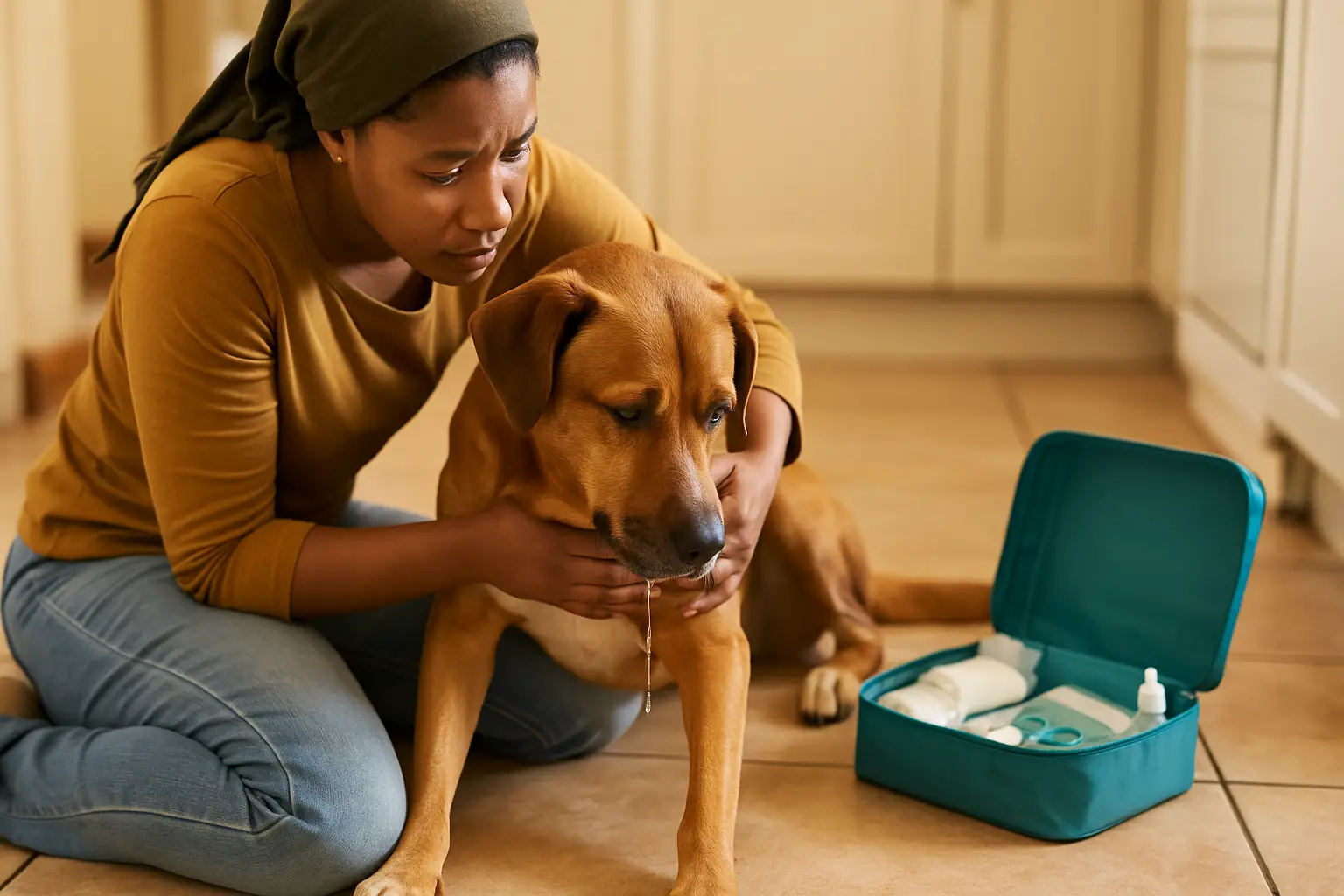
It starts with a stumble, a retch, or a sudden stillness. Your dog was fine minutes ago. Now something is clearly wrong, and you have no idea what they've ingested or how long ago it happened.
For many South African dog owners, this scenario isn't hypothetical. It's a reality that arrives without warning, often at night, and almost always without time to think clearly.
The difference between a structured response and improvisation in that moment comes down to one thing: preparation.
Why South Africa Presents a Particular Risk
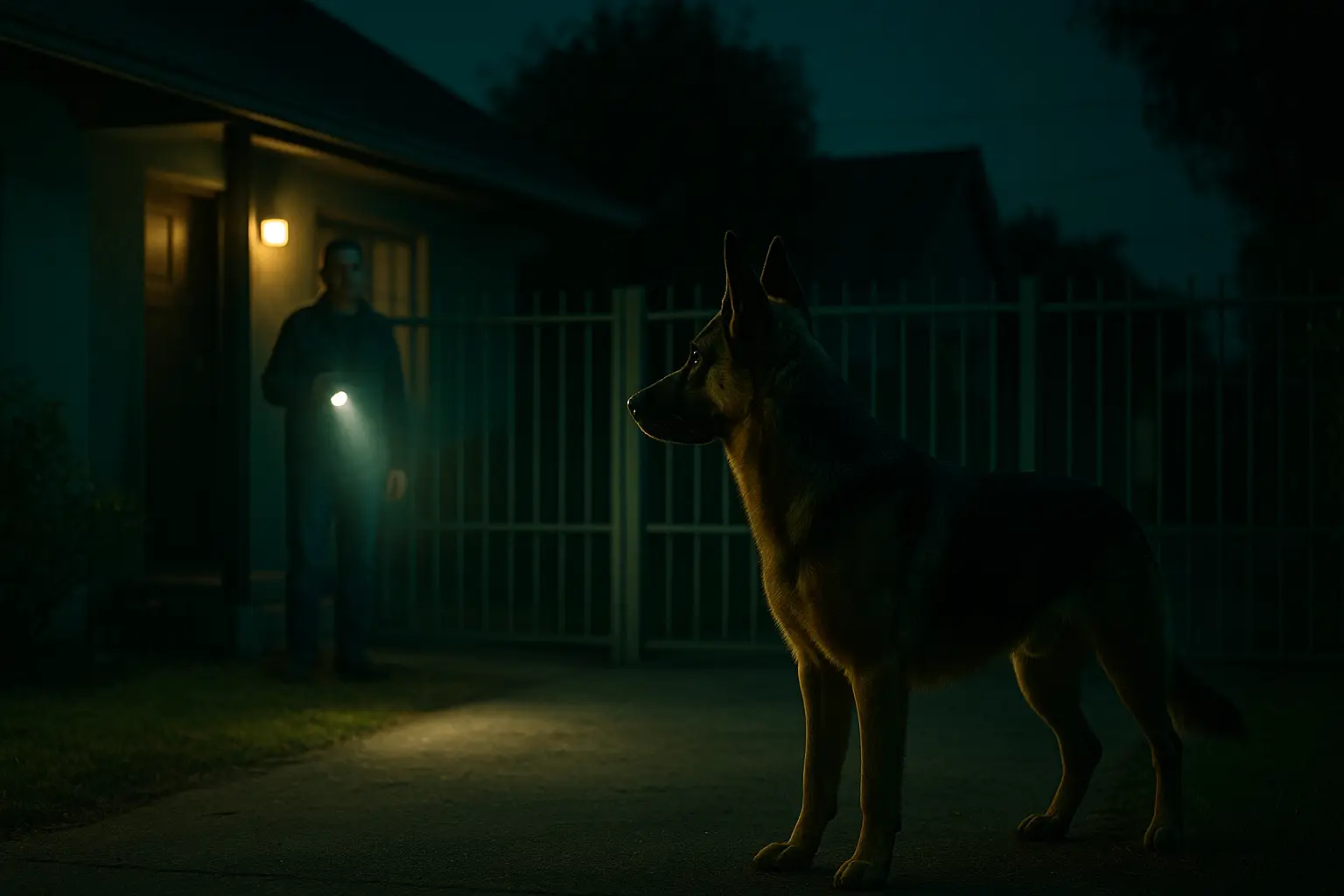
South Africa has one of the highest reported rates of deliberate dog poisoning in the world. Criminals frequently use toxic baits (most commonly aldicarb, known as two-step or Temik) to incapacitate dogs before breaking into a property. Aldicarb is a banned pesticide still obtained illegally, and it acts quickly once ingested.
But criminal baiting is only part of the picture. Secondary poisoning from rodent control bait, accidental ingestion of cleaning chemicals, antifreeze, and toxic food scraps all present real risks for dogs with unsupervised garden access.
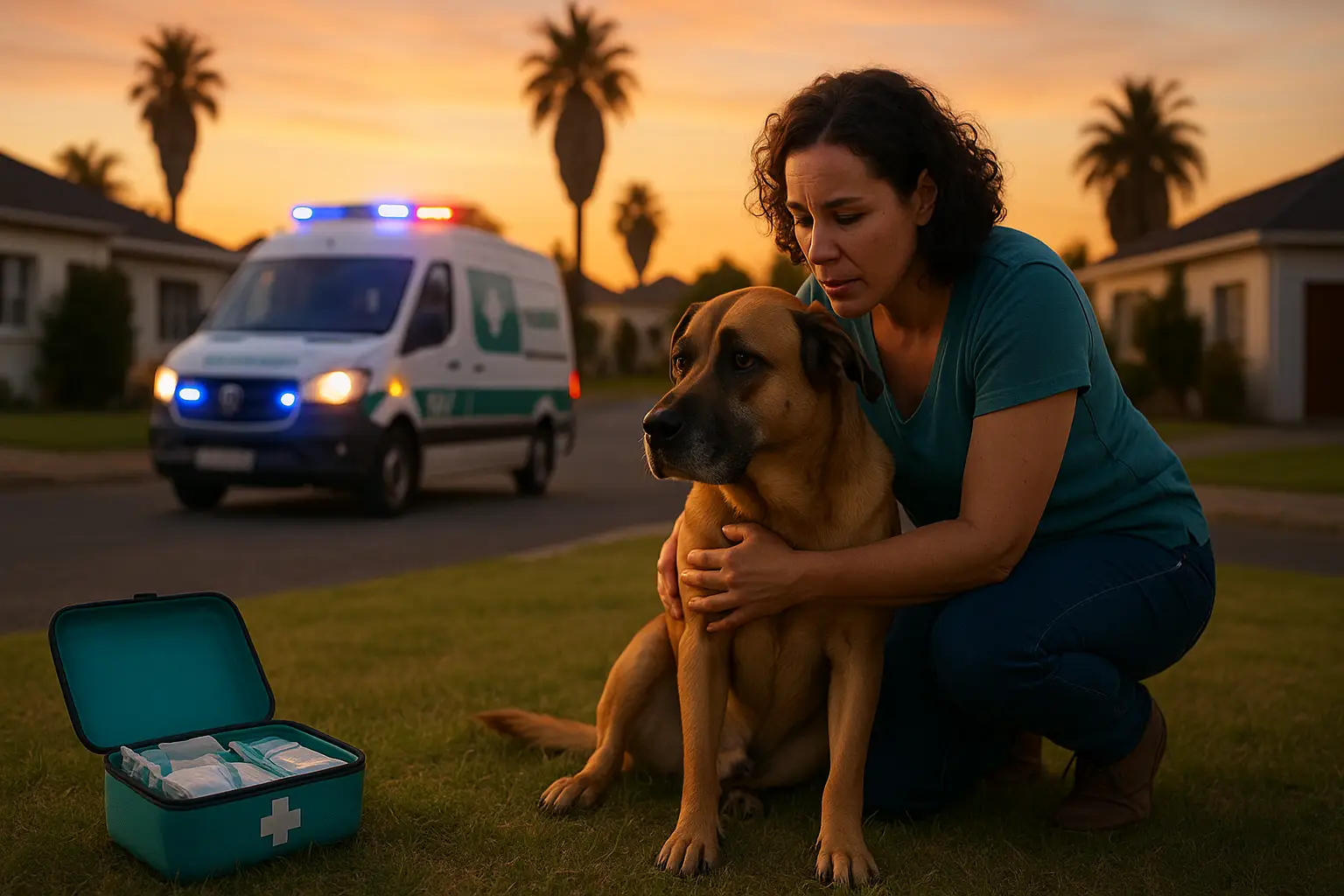
Many South African homes are also 20 to 40 minutes from a 24-hour veterinary facility. That window between incident and professional care is where preparation matters most.
What an Emergency Kit Does (and Doesn't Do)
It's important to be clear about this: an emergency poisoning kit is not a treatment. It does not replace veterinary care, and it does not work for all toxin types. What it provides is a structured first-response capability during the time between suspected exposure and reaching a vet.
A well-designed kit gives you pre-measured activated charcoal matched to your dog's weight, clear step-by-step instructions that remove the need to improvise under stress, personal protective equipment so you can handle the situation safely, and tools to collect a sample for veterinary assessment.
Activated charcoal works by adsorbing toxins in the gastrointestinal tract, reducing the amount absorbed into the bloodstream. It is most effective within the first one to four hours after ingestion, and should only be administered when appropriate and your vet or emergency line will confirm this.
The Problem with Improvising
Without a kit and a clear protocol, most owners do one of three things: search the internet while their dog deteriorates, attempt home remedies they've heard about, or freeze entirely.
The most common improvised responses (using salt to induce vomiting, giving milk, or forcing fluids) are no longer recommended by veterinary professionals and can cause additional harm in certain poisoning scenarios. Having a structured plan in place means you skip that decision paralysis entirely.
Why Weight-Specific Design Matters
Not all emergency kits are designed equally. A single-dose kit intended for any dog regardless of size creates dosing uncertainty that undermines the kit's usefulness. PawShield kits come in small, medium, and large variants matched to your dog's weight band, with appropriately sized syringes and pre-measured charcoal quantities for each. That specificity matters when you're acting under pressure.
Preparedness Is the Right Frame
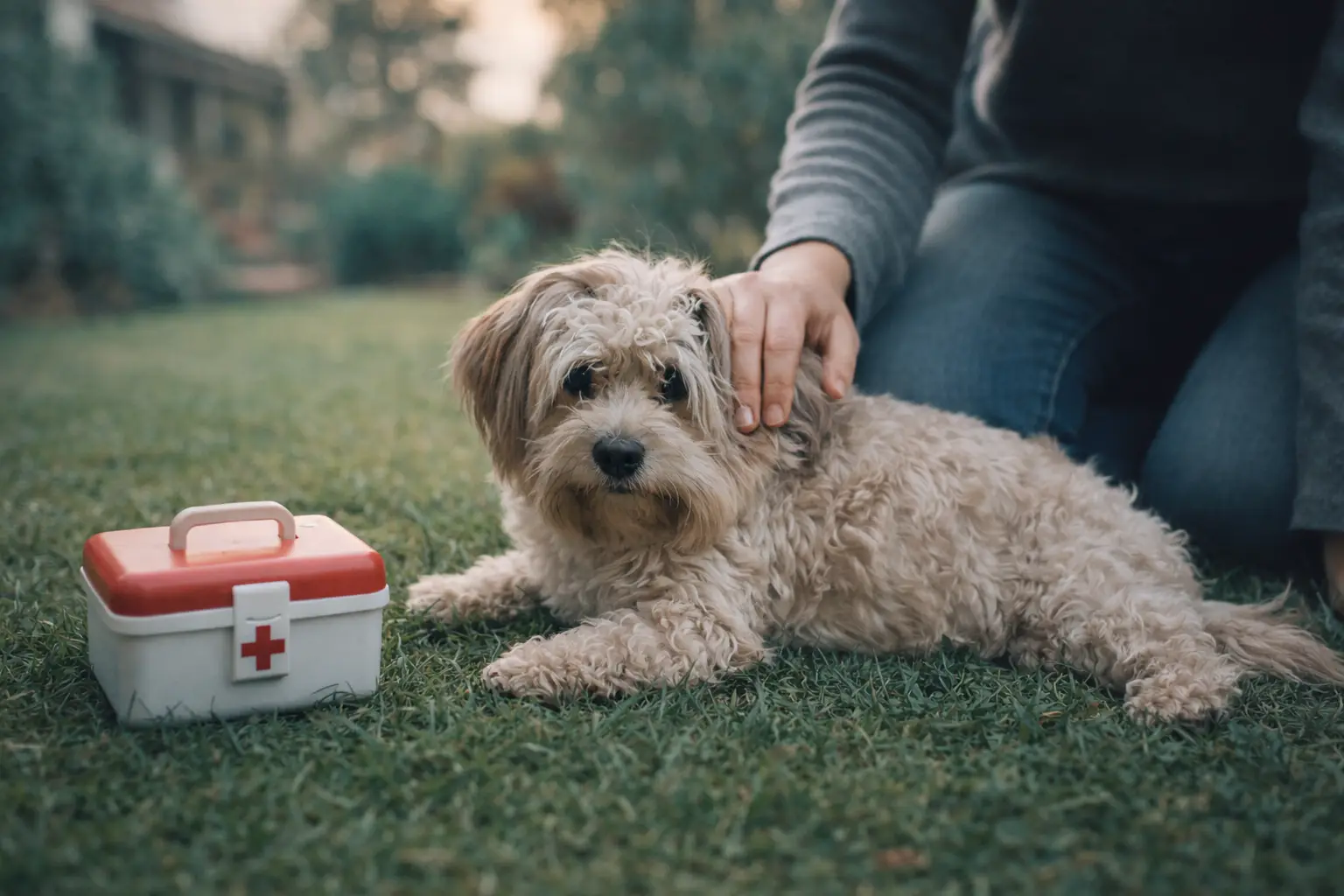
An emergency poisoning kit belongs in the same category as a car's spare tyre or a home first-aid box. You keep it because the scenario it addresses is real, not because you expect it to happen. The goal is to replace panic with a clear first action, and to hand a vet the best possible information when you arrive.
If you'd like to understand the correct emergency response sequence in more detail, read our guide: What to Do If Your Dog Is Poisoned.