The Moment Most Pet Owners Aren't Ready For
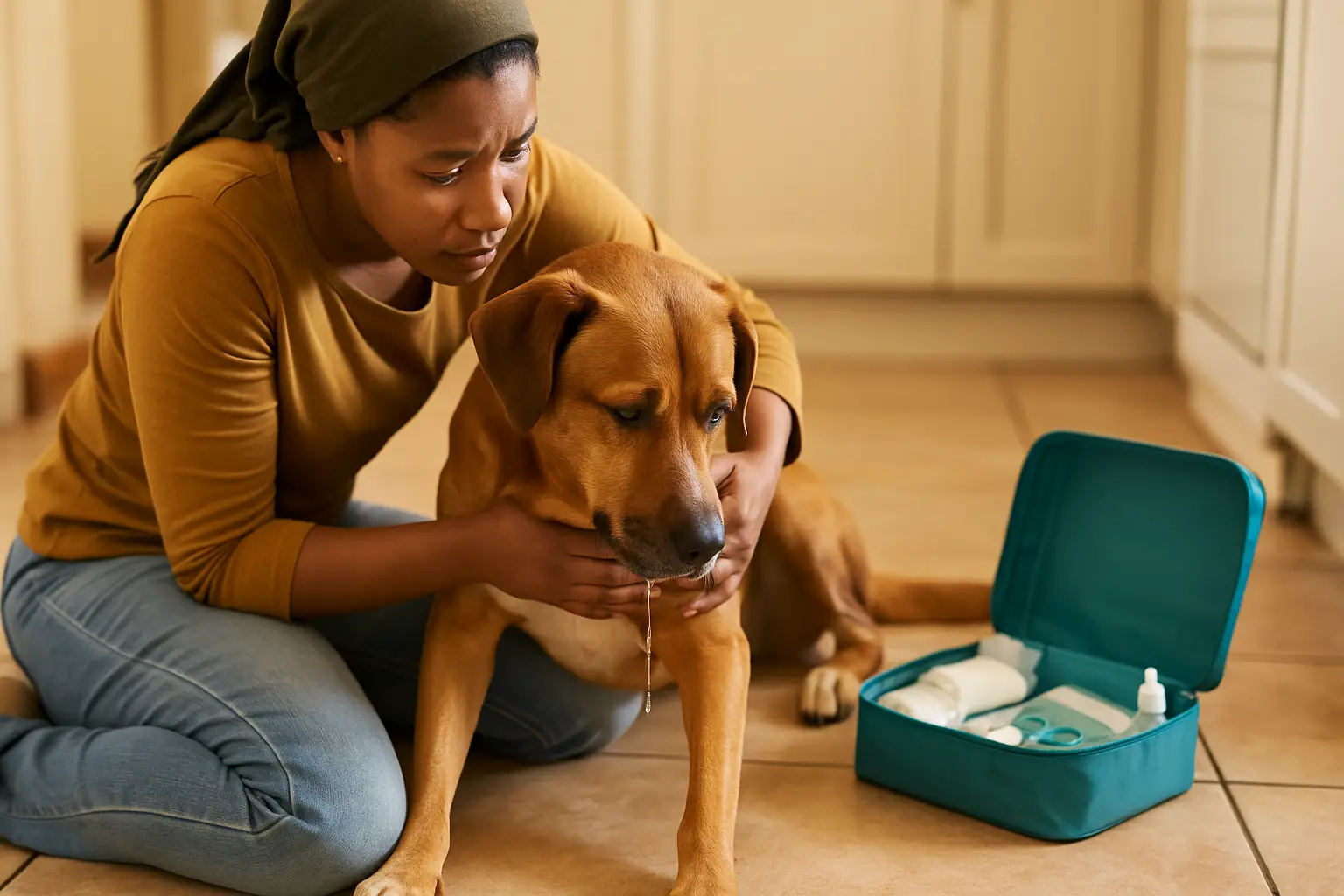
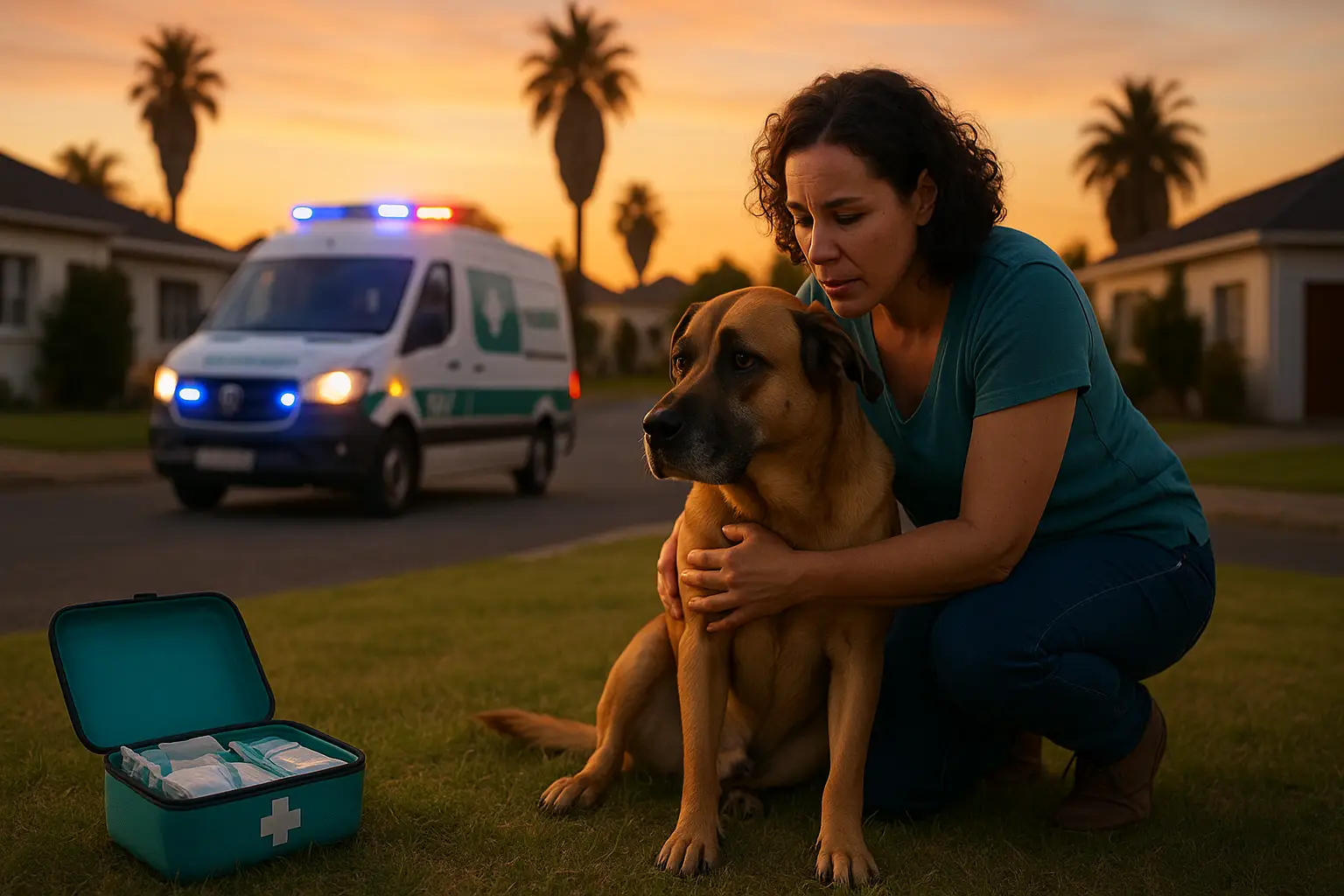
You step into the garden and find your dog stumbling. Or you wake up to a sound that isn't right: a retch, a whimper, a collapse. Your mind goes blank. You have no idea what they ate, or how long ago it happened. What do you do in the next five minutes?
This is the moment most South African dog owners are unprepared for. Not because they don't care, but because no one has walked them through it clearly. Most people either freeze, or reach for something they've heard worked for someone else. This guide exists so you don't have to improvise.
Why Dog Poisoning Is a Particular Risk in South Africa
South Africa has one of the highest reported rates of deliberate dog poisoning in the world. Criminals frequently use toxic baits, most commonly aldicarb, known as two-step or Temik, to incapacitate dogs before breaking into a property. These incidents happen at night, often without warning, and they are distressingly common across suburban estates, townhouse complexes, and rural properties alike.
The geographic reality compounds the problem. Many South African homes are 20 to 40 minutes from a 24-hour veterinary facility, and urban traffic can stretch that further. The actions taken in the first minutes before you reach the vet genuinely matter.
There is also a knowledge gap. The most commonly attempted home responses (feeding salt to induce vomiting, giving milk, or making the dog sick as quickly as possible) are not always safe, and in some cases can cause additional harm. The gap between what pet owners believe is correct and what current veterinary guidance actually recommends is wide. That gap is what this guide addresses.
Recognising the Signs of Poisoning
Poisoning symptoms vary depending on the substance involved, but the following patterns are the most common. If you observe any of these, especially in combination, and cannot immediately rule out a toxic substance, treat it as an emergency.
Neurological signs: Stumbling, loss of coordination, tremors, or seizures. If your dog is paddling their legs randomly or convulsing, do not try to restrain them or open their mouth. Clear the area of objects that could cause injury and note how long the episode lasts. This is useful information for your vet.
Gastrointestinal signs: Vomiting, excessive drooling, foaming at the mouth, or blood in the stool. If your dog is already vomiting, do not attempt to induce further vomiting.
Cardiovascular and respiratory signs: Laboured or rapid breathing, pale or bluish gums, a weak or racing pulse. These indicate the toxin may already be affecting organ function and require immediate veterinary attention.
Behavioural changes: Sudden extreme lethargy, collapse, disorientation, or unresponsiveness to your voice. A dog that was active minutes ago going limp or unresponsive should be treated as an emergency without waiting for other symptoms to appear.
Important: Some toxins, including certain organophosphates, have a delayed presentation. A dog may appear normal for up to 36 hours after ingestion before symptoms appear. If you have any reason to believe your dog was exposed to a toxic substance, act immediately rather than waiting to see whether symptoms develop.
What Most People Get Wrong
Three common responses to suspected poisoning are widespread in South Africa and all three carry risks that most dog owners aren't aware of.
Automatically inducing vomiting. The instinct to make a dog vomit as quickly as possible is understandable. But it is not always the right response. For certain toxins (corrosive substances, hydrocarbons such as fuel or firelighters, and others) inducing vomiting can cause the substance to re-damage the oesophagus on the way back up, or be aspirated into the lungs with serious consequences. The guidance from veterinary professionals, including the Faculty of Veterinary Science at the University of Pretoria, is clear: do not induce vomiting unless a vet has specifically instructed you to do so.
Using salt to induce vomiting. Salt was historically used as a home emetic for dogs. It is no longer recommended. Excessive salt ingestion carries its own toxicity risk, particularly in smaller dogs, and can compound the harm already caused by the original substance.
Giving milk or other liquids. For certain toxins, additional liquids can accelerate absorption through the gastrointestinal tract. Do not give your dog anything to eat or drink unless your vet has told you to.
The Correct Emergency Sequence
This is the sequence that current veterinary guidance supports. Follow it in order.
1. Stay calm and assess. Panicking slows your thinking and distresses your dog further. Take ten seconds: is your dog breathing? Conscious? Seizing? Your observations in the next few minutes will be important information for your vet.
2. Call your vet or an emergency veterinary line immediately. Do this before you do anything else. Describe the symptoms you're seeing, your best estimate of when they may have been exposed, and any information you have about what the substance might be. Your vet will direct your next steps based on the specific situation.
3. Do not induce vomiting unless instructed. This decision depends on the toxin involved. Wait for your vet's guidance before attempting any emesis.
4. Administer activated charcoal if instructed and appropriate. Activated charcoal works by adsorbing toxins in the gastrointestinal tract, reducing the amount absorbed into the bloodstream. It is most effective within the first one to four hours after ingestion. It is not effective against all toxin types, which is why vet contact precedes this step. Dosage is weight-dependent where the correct amount for a small dog is very different from a large one.
5. Collect a sample. If there is remaining bait, a suspected substance, packaging, or vomit nearby, collect it in a sealed bag. Bring it with you to the vet. Knowing the exact toxin can significantly change the treatment protocol.
6. Transport to veterinary care immediately. First response measures buy time. They do not conclude treatment. Get your dog to a vet as quickly as possible, and phone ahead so the practice can prepare.
What to Tell Your Vet
When you call or arrive, have this information ready: your estimated time of exposure or the last time your dog appeared normal; a description of symptoms and how they've progressed; any substance, bait, or packaging you collected; your dog's weight and breed; and any first-aid steps already taken. If you don't know what the substance was, say so. Your vet would rather work with an honest unknown than a confident guess that turns out to be wrong.
Being Prepared Before It Happens
The difference between structured action and paralysis in an emergency is almost always preparation. Save your vet's emergency number and the nearest 24-hour emergency vet number in your phone now. Know your dog's current weight because dosing decisions depend on it. Have a basic plan that everyone in your household knows.
Some pet owners keep a purpose-built emergency kit on hand. One with pre-measured activated charcoal matched to their dog's weight, clear instruction sequencing, and the tools needed to collect a sample for veterinary assessment. PawShield was designed specifically for this purpose, built around the South African poisoning landscape and the real window between incident and veterinary care.
Poisoning emergencies are frightening precisely because they feel uncontrollable. The right preparation doesn't guarantee an outcome, nothing does. But it replaces paralysis with a clear first action. That's what responsible preparedness looks like.