A Calculated Tactic, Not a Random Act
For many South African families, dogs serve a dual role; companion and security deterrent. Criminals understand this too, which is why dogs are frequently targeted as part of planned property crimes rather than as incidental victims.
Deliberate poisoning before a break-in is not uncommon in South Africa, and it is worth understanding how it typically works, what warning signs to look for, and how to reduce your dog's exposure so that your response, if it comes to that, is based on preparation rather than panic.
How Deliberate Poisoning Typically Works
The most common method involves placing bait, typically meat or treats, near or over the boundary of a property. Aldicarb, a banned organophosphate pesticide still obtained illegally and commonly known as two-step or Temik, is frequently used. It acts on the nervous system and progresses quickly once ingested.
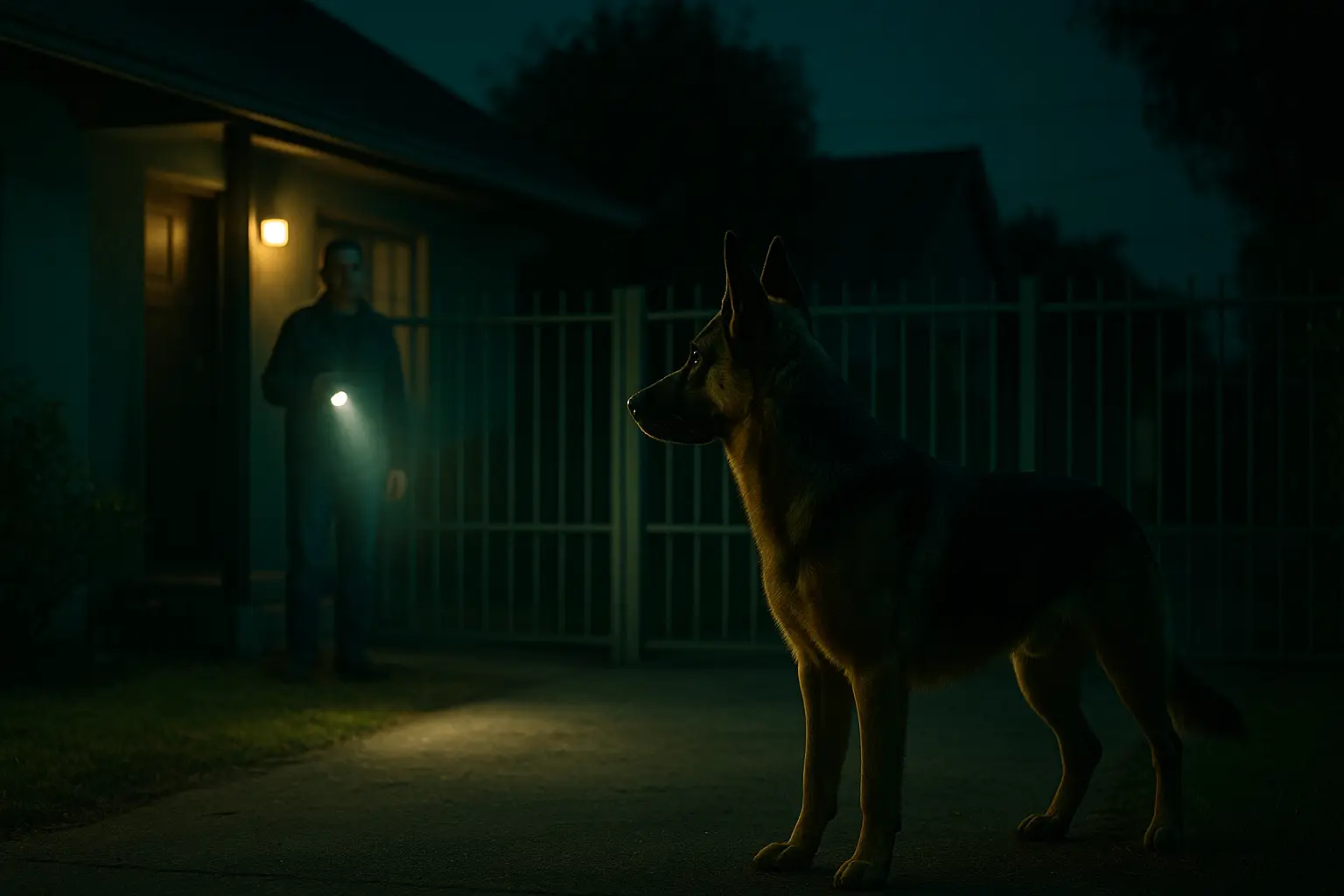
Poisoning events most often occur at night, which is why dogs that sleep outdoors with unsupervised access to the perimeter are at higher risk. The timing also means that by the time an owner is aware something is wrong, the window for early intervention may already be narrowing.
Warning Signs Worth Knowing
Some environmental signals may indicate your property has been assessed or targeted. These are worth being aware of, though none are conclusive on their own.
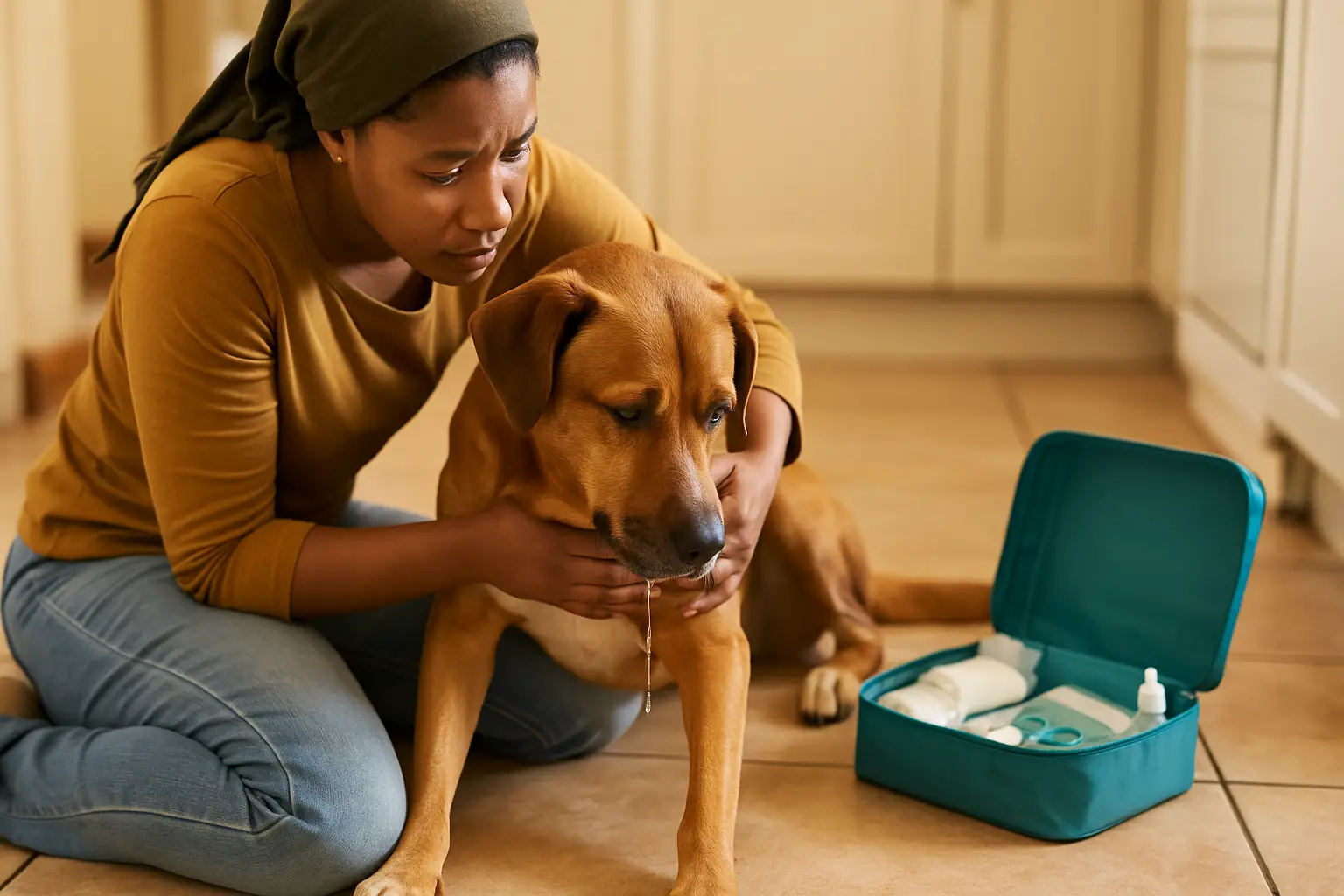
Unexplained food items (meat scraps, bread, or other material) found near gates, walls, or fences should be treated as suspect and removed carefully without letting your dog near them. Repeated unusual behaviour from your dog near a specific boundary point, particularly at night, is also worth noting. Any change in your dog's behaviour following unsupervised outdoor time (sudden lethargy, reluctance to eat, loss of coordination) should be treated as a possible poisoning indication and acted on promptly.
Practical Prevention Measures
You cannot eliminate all risk, but several practical steps reduce your dog's exposure significantly.
Inspect your yard perimeter daily. Look for food items, suspicious material, or anything out of place near gates, walls, and fences. Keep grass trimmed near boundaries where bait could be concealed.
Consider separating your dog from direct perimeter access at night. A secondary fenced area within the property provides an additional barrier between your dog and anything thrown over the outer wall.
Feed indoors or at varying times. Routine outdoor feeding schedules make it easier for a threat to be timed. Feeding indoors removes that predictability.
Use lighting near boundary access points. Motion-activated lights near gates and feeding areas are a low-cost deterrent. Poisoning events favour darkness and unobserved access.
Alert your community when you find anything suspicious. Bait placement near one property rarely targets only that property. Sharing information quickly through estate security or neighbourhood groups gives others the chance to check their own perimeters.
If You Suspect Your Dog Has Been Poisoned
The correct response sequence matters. Acting in the wrong order, or using a home remedy before speaking to a vet, can reduce the options available to the professional who treats your dog.
1. Stay calm and assess. Note the symptoms you are seeing and when they started.
2. Call your vet or emergency veterinary line immediately. Do this before anything else. Describe the symptoms, your estimated timeline, and any suspected substance.
3. Do not induce vomiting unless your vet instructs you to. For certain toxins this can cause additional harm. Your vet will advise.
4. Follow your vet's guidance on first-response measures. If directed to administer activated charcoal, do so with the correct weight-appropriate amount. A PawShield kit includes pre-measured charcoal matched to your dog's weight and a clear instruction sequence for exactly this situation.
5. Collect a sample. Any remaining bait or packaging in a sealed bag gives your vet useful diagnostic information.
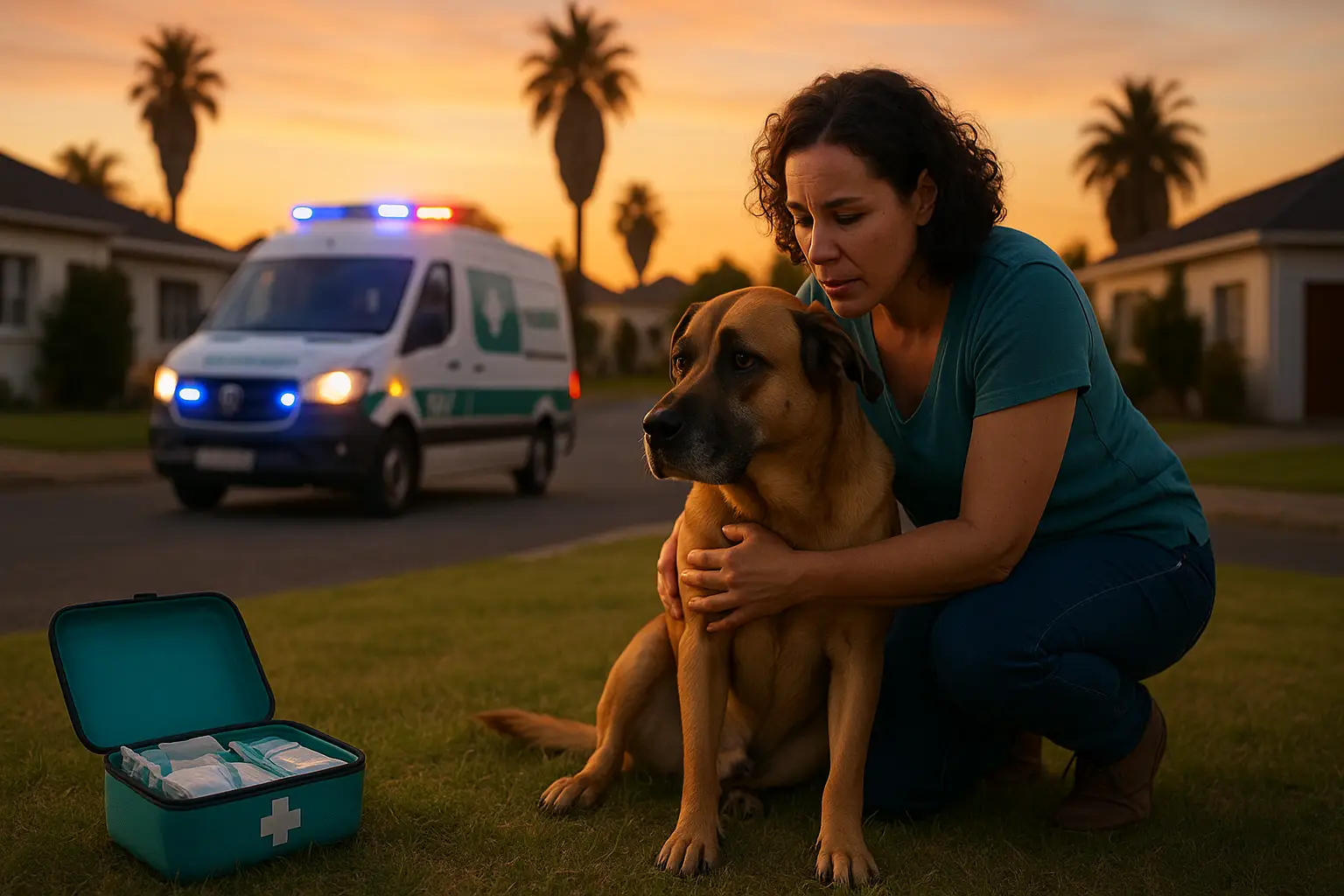
6. Transport to veterinary care immediately. Phone ahead so the practice can prepare.
Preparedness Is What You Can Control
You cannot control whether criminals target your property. What you can control is how prepared you are to recognise the signs, reduce your dog's exposure, and respond with a clear sequence of actions rather than improvised decisions made under pressure.
For a detailed guide to the correct emergency response, read: What to Do If Your Dog Is Poisoned.